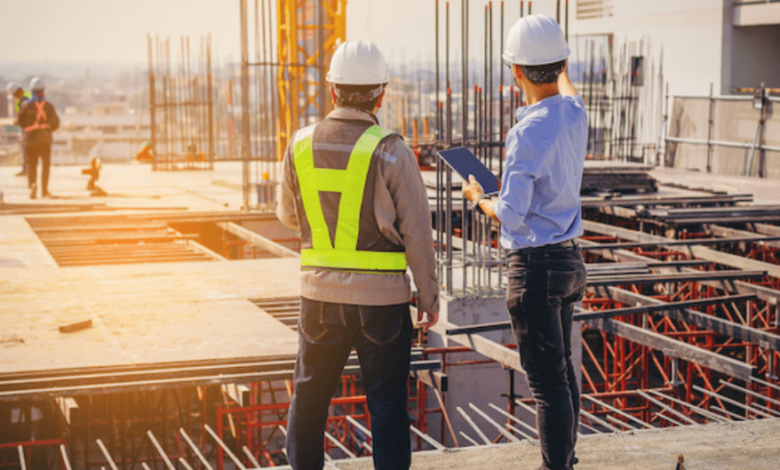
Heavy infrastructure development relies on the seamless movement of massive components that form the backbone of modern cities. Among the most challenging materials to handle are the various types of large-diameter pipes used for water mains, sewage systems, and industrial conduits. While the focus of a project often remains on the engineering of the pipeline itself, the methodology used to transport and place these heavy segments is where the real risk and efficiency lie. Moving away from improvised rigging toward specialized mechanical solutions has transformed how modern job sites manage these heavy loads.
The Engineering Behind Secure Pipe Handling
The physics of lifting a cylindrical object presents unique challenges that flat or rectangular loads do not. A pipe’s center of gravity is internal and hollow, meaning any shift in the lifting point can lead to dangerous oscillations or “walking” of the load. In years past, crews relied heavily on nylon slings or chains wrapped around the exterior. While functional, these
methods often caused surface damage or unpredictable slippage when the material’s exterior was wet or coated with protective polymers.
Modern mechanical lifting solutions have solved this by focusing on the conduit’s interior and ends. By leveraging the structural integrity of the pipe wall, these tools provide a positive lock that gravity-based friction cannot match. This shift in engineering ensures that the moment the crane or excavator begins its ascent, the load is balanced and fixed. This stability is crucial when navigating narrow urban trenches or uneven rural terrain where a swinging pipe could result in catastrophic equipment damage or injury.
See also: How SD-WAN Is Powering the Modern Digital Workforce
Optimizing Workflow Through Mechanical Advantage
In high-stakes construction, time is as valuable as safety. The traditional method of “choking” a pipe with a sling requires manual labor to thread the line under the material, often putting a worker in a vulnerable position near a heavy, unstable object. Furthermore, once the pipe is lowered into a trench, removing that sling requires another manual intervention, often involving unhooking and pulling the line through tight spaces.
Mechanical lifting systems eliminate these redundant steps. A specialized pipe lifting attachment allows the operator to engage the load with minimal manual assistance. This streamlined approach reduces the cycle time for moving a single segment from the staging area to the trench. Over the course of a project involving miles of pipeline, these saved minutes add up to weeks of regained schedule time. By reducing the number of people required to stand in the “red zone” during a lift, project managers can maintain a higher safety rating while simultaneously increasing the crew’s daily output.
Protecting Material Integrity During Installation
The longevity of modern infrastructure is heavily dependent on the integrity of protective coatings. Many pipes are now manufactured with specialized epoxy or concrete linings designed to prevent corrosion and ensure the purity of the water passing through them.
When abrasive chains or sliding straps are used for transport, these coatings are frequently gouged or compromised. Even a small scratch can become a point of failure decades later, leading to leaks or structural degradation.
The move toward specialized lifting hooks and internal grippers offers a non-marring alternative. By applying pressure to specific, reinforced points or by using padded contact surfaces, these tools ensure the pipe arrives in the trench in the exact condition it left the factory. This attention to detail is particularly important in the energy and utility sectors, where environmental regulations regarding leak prevention are becoming increasingly stringent.
The Future of Heavy Lifting Standards
As infrastructure projects grow in scale and complexity, the standard for what is considered an acceptable risk is changing. Regulatory bodies are looking more closely at the equipment used on-site, favoring tools that offer a mechanical fail-safe over those that rely solely on manual rigging. The adoption of dedicated lifting hardware is no longer just a luxury for large-scale contractors; it is becoming a baseline requirement for bidding on government and municipal contracts.
Investing in the right equipment reflects a commitment to a professionalized job site. It signals to stakeholders that the project is being handled with a focus on precision and long-term sustainability. By choosing tools designed for the specific geometry of the load, contractors are not just moving material—they are building the foundations of the future with a level of reliability that matches the massive scale of the task at hand. Utilizing high-
capacity mechanical tools ensures that, even as pipes get larger and projects become more demanding, the safety of the workforce remains the highest priority.